
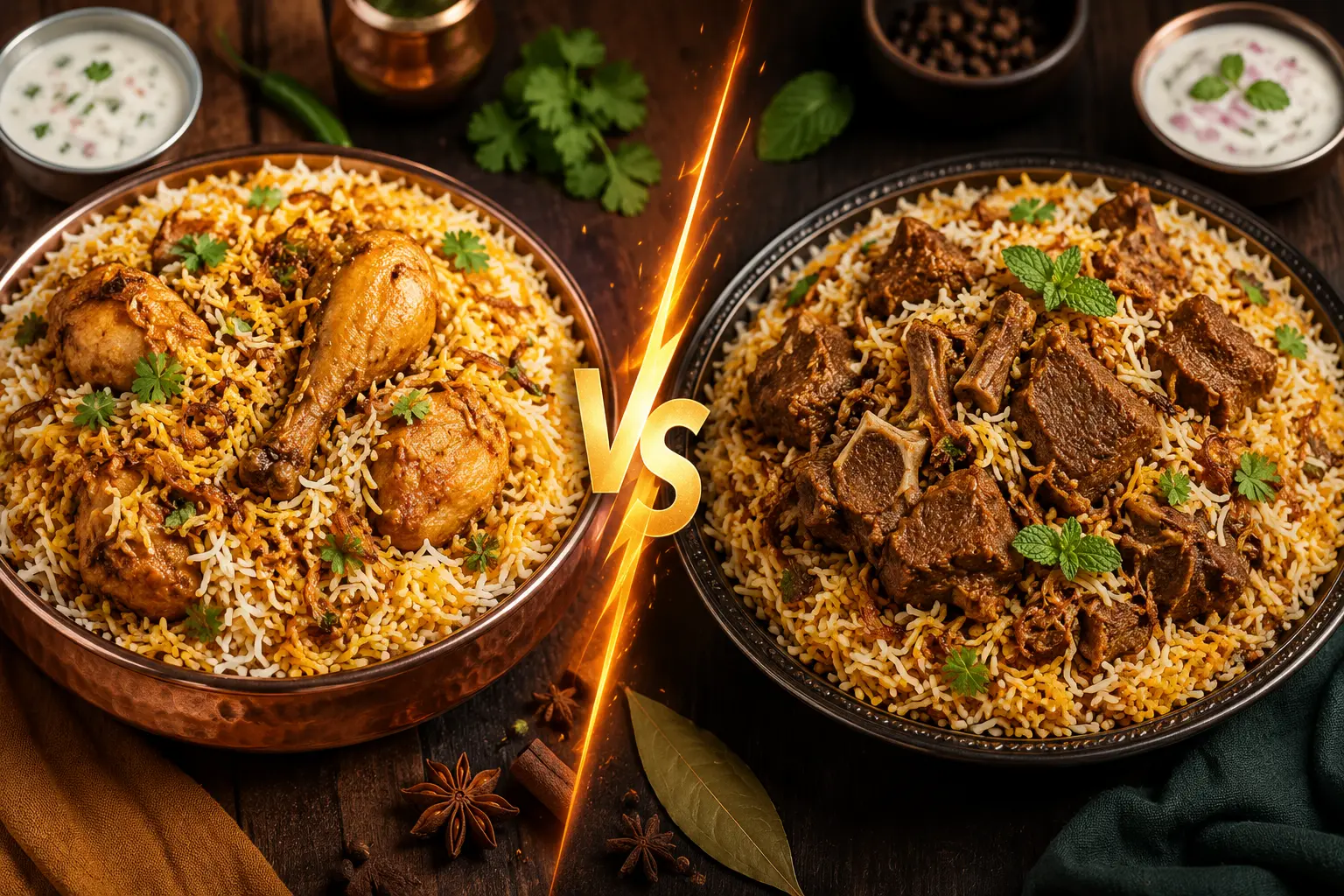
Finding authentic regional Indian cuisine often leads diners to one of Hyderabad’s most celebrated dishes: biryani. Yet a common question remains among food lovers and first-time visitors alike Chicken Biryani vs Goat Biryani: which one should you choose?
Both options are staples of authentic Hyderabadi cuisine and showcase the rich culinary traditions that have made Hyderabad famous around the world. For diners exploring Hyderabadi Biryani Northlake TX, understanding the differences between these two iconic dishes can help create a more enjoyable and informed dining experience.
Whether you’re searching for the best biryani in Northlake TX, looking for Indian food near me, or simply curious about traditional biryani preparation, this guide breaks down everything you need to know before placing your order.
Why Is Biryani One of India’s Most Loved Dishes?
Biryani is popular because it combines aromatic rice, carefully balanced spices, herbs, and protein into a complete meal that delivers flavor, aroma, and texture in every bite.
Unlike many rice-based dishes, biryani is built through a layering process that allows each ingredient to contribute its own character. The result is a dish that feels complex yet comforting.
What Makes Authentic Hyderabadi Biryani Different?
Authentic Hyderabadi Biryani is distinguished by traditional dum cooking, where marinated meat and aromatic basmati rice are layered together and cooked in a sealed vessel.
The dum process traps steam inside the pot, allowing spices, herbs, rice, and meat to cook together gradually. This slow cooking technique creates layers of flavor rather than a single uniform taste.
Another interesting insight is that Hyderabadi biryani places equal importance on aroma and flavor. Ingredients such as saffron, mint, fried onions, coriander, cardamom, and cloves contribute to the dish’s distinctive character.
Chicken Biryani vs Goat Biryani: Understanding the Key Differences
When discussing Chicken Biryani vs Goat Biryani, the biggest differences come down to flavor intensity, texture, cooking time, and personal preference.
Chicken Dum Biryani
Chicken Dum Biryani is often considered the most approachable option for newcomers.
Chicken absorbs spices quickly, allowing the marinade to penetrate deeply while maintaining a tender texture. The result is a biryani that feels lighter while still delivering the signature flavors associated with authentic Hyderabadi Biryani.
The dish typically combines marinated chicken, fragrant basmati rice, herbs, yogurt, and whole spices that develop complexity during the cooking process.
Goat Dum Biryani
Goat Dum Biryani is known for richer and deeper flavors.
Because goat meat requires longer cooking times, the spices develop more gradually and create a stronger savory profile. The meat becomes tender while contributing additional richness to the rice surrounding it.
For many traditional biryani enthusiasts, Goat Dum Biryani represents the classic Hyderabad-style preparation.
Which Biryani Has More Flavor?
Goat Biryani generally delivers a richer and more intense flavor profile, while Chicken Biryani offers a lighter and more balanced taste experience.
Goat meat naturally develops deeper flavors during slow cooking. As the meat releases juices into the rice, it creates a robust and layered taste.
Chicken, by contrast, produces a cleaner and more delicate flavor profile that allows the aromatic spices and herbs to remain highly noticeable.
This is why there is no universal answer to which biryani is better. The ideal choice depends on individual taste preferences.
What Should First-Time Visitors Order?
For most first-time visitors, Chicken Dum Biryani provides the easiest introduction to Hyderabad’s famous biryani traditions.
Its balanced flavor profile, tender texture, and moderate richness make it accessible to a wide range of diners.
However, diners seeking a more traditional experience often prefer Goat Dum Biryani because it showcases the deeper flavors associated with classic Hyderabad food culture.
A Simple Decision Guide
Choose Chicken Dum Biryani if you:
- Prefer lighter meat options
- Enjoy balanced spice levels
- Are new to Hyderabadi cuisine
- Want a milder biryani experience
Choose Goat Dum Biryani if you:
- Enjoy rich and robust flavors
- Appreciate slow-cooked dishes
- Prefer traditional preparations
- Want a more authentic regional experience
Why Traditional Dum Cooking Matters
The dum cooking method is one of the defining characteristics of traditional Hyderabadi biryani.
During cooking, layers of marinated meat and rice are sealed inside a vessel. The trapped steam circulates continuously, allowing flavors to develop naturally without losing moisture.
Many diners are surprised to learn that this technique helps preserve texture, aroma, and flavor simultaneously. It is one of the primary reasons authentic Hyderabadi Biryani remains so highly regarded.
Understanding dum cooking also helps explain the difference between Chicken Biryani and Goat Biryani. Since goat requires a longer cooking time, it develops a deeper flavor profile within the same traditional method.
Why Does Meat Selection Change the Entire Experience?
The choice of meat influences flavor intensity, texture, aroma, and the overall character of the biryani.
Chicken remains soft and delicate, allowing the spices to take center stage.
Goat contributes a stronger savory depth and richer mouthfeel that many traditional food enthusiasts appreciate.
Even when prepared using the same rice, spices, herbs, and cooking techniques, the final dining experience can feel remarkably different.
Exploring Hyderabadi Biryani in Northlake TX
Interest in regional Indian cuisine continues to grow throughout North Texas, with many diners seeking dishes that reflect authentic culinary traditions rather than generalized Indian restaurant menus.
At Hyderabad Junction, guests can explore both Chicken Dum Biryani and Goat Dum Biryani while experiencing cooking methods rooted in Hyderabad’s culinary heritage.
For diners searching for biryani Northlake TX, Hyderabadi food Northlake TX, or Indian restaurant Northlake TX, understanding the story behind these dishes can add another layer of appreciation to the meal.
Family Dining and Group Ordering Recommendations
Biryani has always been associated with sharing and community dining.
In family dining Northlake TX settings, biryani often serves as the centerpiece of gatherings because it appeals to a wide variety of tastes while encouraging shared dining experiences.
For group meals, consider ordering:
- Chicken Dum Biryani for guests new to Hyderabadi cuisine
- Goat Dum Biryani for diners who enjoy bold flavors
- Appetizers and side dishes to create variety
- Multiple biryani options so everyone can compare flavors
This approach works especially well for family celebrations, office lunches, and weekend gatherings.
FAQ
Chicken Biryani offers a lighter and more delicate flavor profile, while Goat Biryani delivers richer and deeper flavors due to the characteristics of the meat and longer cooking times. Both are prepared using similar spices and traditional techniques.
Chicken Dum Biryani is often recommended for first-time diners because it provides a balanced and approachable introduction to authentic Hyderabadi cuisine. Goat Dum Biryani is ideal for those seeking a more traditional and robust flavor experience.
Hyderabadi Biryani is famous because of its traditional dum cooking method, aromatic basmati rice, layered spice profile, and centuries-old culinary heritage influenced by Persian, Mughal, and South Indian traditions.
Generally, Goat Biryani develops deeper and richer flavors during slow cooking. However, many diners prefer Chicken Biryani because its lighter taste allows the spices and herbs to stand out more clearly.
For anyone exploring authentic Hyderabad cuisine, both Chicken Dum Biryani and Goat Dum Biryani offer unique insights into one of India’s most celebrated food traditions. Chicken Biryani provides a lighter introduction to Hyderabad’s culinary heritage, while Goat Biryani highlights the rich flavors that have made traditional biryani famous across generations. Together, they represent the diversity, craftsmanship, and enduring appeal of authentic Hyderabadi cooking within Northlake’s growing dining landscape.